
cURL Too many subrequests by single Worker invocation. To configure this limit, refer to https://developers.cloudflare.com/workers/wrangler/configuration/#limits

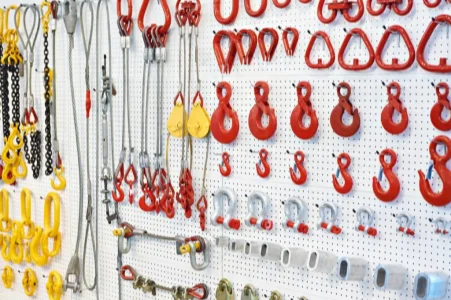
In modern industries—whether in construction, manufacturing, energy extraction, or large-scale logistics—lifting and rigging operations are essential. The safety, efficiency, and cost-effectiveness of these operations often depend on selecting the right rigging equipment.
Many companies struggle when purchasing rigging gear: Slings, wire ropes, chains, shackles, lifting eyes, pulleys… With so many options, how do you choose the right one? This guide breaks down five critical factors to help you make informed decisions, avoid safety risks, and prevent costly mistakes.
cURL Too many subrequests by single Worker invocation. To configure this limit, refer to https://developers.cloudflare.com/workers/wrangler/configuration/#limits1. Working Load Limit (WLL): The First Line of Safety
The Working Load Limit (WLL) is the most fundamental parameter in rigging. Every piece of equipment—whether a sling or wire rope—has a specified WLL, indicating the maximum safe load it can handle under normal conditions.
cURL Too many subrequests by single Worker invocation. To configure this limit, refer to https://developers.cloudflare.com/workers/wrangler/configuration/#limits A sling rated for 2 tons may experience much higher forces when lifting off-center or unbalanced loads, leading to failure or accidents.
Key Recommendations:
- Never match the load exactly to the WLL. Always allow a 20%-30% safety margin based on load weight and rigging method (single-point, double-point, or angled lifts).
- Check the safety factor. Industrial wire ropes typically have a 5:1 to 7:1 safety factor. For extreme conditions (e.g., mining, offshore rigs), higher safety margins are required.
Bottom Line: If you’re unsure about a device’s true capacity, don’t use it. Overloading is the leading cause of rigging failures.
🌦️ 2. Work Environment: Choosing the Right Material & Coating
Different environments demand different materials and coatings. Ignoring this leads to premature corrosion, frequent replacements, and higher maintenance costs.
Common Environments & Solutions:
- Outdoor, humid, or corrosive settings (ports, offshore platforms, shipyards): Use galvanized wire ropes, stainless steel shackles, or corrosion-resistant materials.
- High-temperature or heat-treatment workshops: Avoid synthetic slings (which melt or degrade); opt for alloy steel chain slings.
- Chemical plants or acidic/alkaline exposure: Use polyester slings or coated wire ropes for chemical resistance.
Pro Tips:
- Consider long-term durability, not just short-term performance.
- Store equipment properly (use protective covers, grease, or storage boxes).
- Regularly assess environmental changes and adjust equipment accordingly.
cURL Too many subrequests by single Worker invocation. To configure this limit, refer to https://developers.cloudflare.com/workers/wrangler/configuration/#limitscURL Too many subrequests by single Worker invocation. To configure this limit, refer to https://developers.cloudflare.com/workers/wrangler/configuration/#limits
cURL Too many subrequests by single Worker invocation. To configure this limit, refer to https://developers.cloudflare.com/workers/wrangler/configuration/#limitscURL Too many subrequests by single Worker invocation. To configure this limit, refer to https://developers.cloudflare.com/workers/wrangler/configuration/#limitscURL Too many subrequests by single Worker invocation. To configure this limit, refer to https://developers.cloudflare.com/workers/wrangler/configuration/#limits.
cURL Too many subrequests by single Worker invocation. To configure this limit, refer to https://developers.cloudflare.com/workers/wrangler/configuration/#limitscURL Too many subrequests by single Worker invocation. To configure this limit, refer to https://developers.cloudflare.com/workers/wrangler/configuration/#limitscURL Too many subrequests by single Worker invocation. To configure this limit, refer to https://developers.cloudflare.com/workers/wrangler/configuration/#limitscURL Too many subrequests by single Worker invocation. To configure this limit, refer to https://developers.cloudflare.com/workers/wrangler/configuration/#limits.
cURL Too many subrequests by single Worker invocation. To configure this limit, refer to https://developers.cloudflare.com/workers/wrangler/configuration/#limits
- cURL Too many subrequests by single Worker invocation. To configure this limit, refer to https://developers.cloudflare.com/workers/wrangler/configuration/#limitscURL Too many subrequests by single Worker invocation. To configure this limit, refer to https://developers.cloudflare.com/workers/wrangler/configuration/#limits.
- cURL Too many subrequests by single Worker invocation. To configure this limit, refer to https://developers.cloudflare.com/workers/wrangler/configuration/#limitscURL Too many subrequests by single Worker invocation. To configure this limit, refer to https://developers.cloudflare.com/workers/wrangler/configuration/#limits.
- cURL Too many subrequests by single Worker invocation. To configure this limit, refer to https://developers.cloudflare.com/workers/wrangler/configuration/#limitscURL Too many subrequests by single Worker invocation. To configure this limit, refer to https://developers.cloudflare.com/workers/wrangler/configuration/#limits.
cURL Too many subrequests by single Worker invocation. To configure this limit, refer to https://developers.cloudflare.com/workers/wrangler/configuration/#limits
- cURL Too many subrequests by single Worker invocation. To configure this limit, refer to https://developers.cloudflare.com/workers/wrangler/configuration/#limitscURL Too many subrequests by single Worker invocation. To configure this limit, refer to https://developers.cloudflare.com/workers/wrangler/configuration/#limitscURL Too many subrequests by single Worker invocation. To configure this limit, refer to https://developers.cloudflare.com/workers/wrangler/configuration/#limits.
- cURL Too many subrequests by single Worker invocation. To configure this limit, refer to https://developers.cloudflare.com/workers/wrangler/configuration/#limitscURL Too many subrequests by single Worker invocation. To configure this limit, refer to https://developers.cloudflare.com/workers/wrangler/configuration/#limitscURL Too many subrequests by single Worker invocation. To configure this limit, refer to https://developers.cloudflare.com/workers/wrangler/configuration/#limits.
- cURL Too many subrequests by single Worker invocation. To configure this limit, refer to https://developers.cloudflare.com/workers/wrangler/configuration/#limitscURL Too many subrequests by single Worker invocation. To configure this limit, refer to https://developers.cloudflare.com/workers/wrangler/configuration/#limitscURL Too many subrequests by single Worker invocation. To configure this limit, refer to https://developers.cloudflare.com/workers/wrangler/configuration/#limits.
cURL Too many subrequests by single Worker invocation. To configure this limit, refer to https://developers.cloudflare.com/workers/wrangler/configuration/#limitscURL Too many subrequests by single Worker invocation. To configure this limit, refer to https://developers.cloudflare.com/workers/wrangler/configuration/#limits
cURL Too many subrequests by single Worker invocation. To configure this limit, refer to https://developers.cloudflare.com/workers/wrangler/configuration/#limits.
cURL Too many subrequests by single Worker invocation. To configure this limit, refer to https://developers.cloudflare.com/workers/wrangler/configuration/#limits
- cURL Too many subrequests by single Worker invocation. To configure this limit, refer to https://developers.cloudflare.com/workers/wrangler/configuration/#limitscURL Too many subrequests by single Worker invocation. To configure this limit, refer to https://developers.cloudflare.com/workers/wrangler/configuration/#limits.
- cURL Too many subrequests by single Worker invocation. To configure this limit, refer to https://developers.cloudflare.com/workers/wrangler/configuration/#limitscURL Too many subrequests by single Worker invocation. To configure this limit, refer to https://developers.cloudflare.com/workers/wrangler/configuration/#limits.
- cURL Too many subrequests by single Worker invocation. To configure this limit, refer to https://developers.cloudflare.com/workers/wrangler/configuration/#limitscURL Too many subrequests by single Worker invocation. To configure this limit, refer to https://developers.cloudflare.com/workers/wrangler/configuration/#limits.
cURL Too many subrequests by single Worker invocation. To configure this limit, refer to https://developers.cloudflare.com/workers/wrangler/configuration/#limits
- cURL Too many subrequests by single Worker invocation. To configure this limit, refer to https://developers.cloudflare.com/workers/wrangler/configuration/#limitscURL Too many subrequests by single Worker invocation. To configure this limit, refer to https://developers.cloudflare.com/workers/wrangler/configuration/#limitscURL Too many subrequests by single Worker invocation. To configure this limit, refer to https://developers.cloudflare.com/workers/wrangler/configuration/#limits.
- cURL Too many subrequests by single Worker invocation. To configure this limit, refer to https://developers.cloudflare.com/workers/wrangler/configuration/#limitscURL Too many subrequests by single Worker invocation. To configure this limit, refer to https://developers.cloudflare.com/workers/wrangler/configuration/#limitscURL Too many subrequests by single Worker invocation. To configure this limit, refer to https://developers.cloudflare.com/workers/wrangler/configuration/#limits.
- cURL Too many subrequests by single Worker invocation. To configure this limit, refer to https://developers.cloudflare.com/workers/wrangler/configuration/#limitscURL Too many subrequests by single Worker invocation. To configure this limit, refer to https://developers.cloudflare.com/workers/wrangler/configuration/#limitscURL Too many subrequests by single Worker invocation. To configure this limit, refer to https://developers.cloudflare.com/workers/wrangler/configuration/#limits.
🛠️ 5. Certifications & Compliance: Legal & Safety Protection
In the U.S. and most developed countries, rigging equipment must meet industry standards—or users face legal liability in case of accidents.
Key Standards:
- ASME B30 (U.S. rigging standards)
- OSHA 1910 & 1926 (workplace safety regulations)
- EN 1492 / EN 13414 (EU lifting standards)
- ISO 7531 / ISO 4309 (international rigging guidelines)
How to Verify Compliance:
- Request product certifications and third-party test reports.
- Check for traceable batch numbers and load labels.
- Keep purchase records for audits or legal protection.
⚠️ Warning: Using uncertified or unmarked equipment risks fines, shutdowns, or loss of permits.
cURL Too many subrequests by single Worker invocation. To configure this limit, refer to https://developers.cloudflare.com/workers/wrangler/configuration/#limitsFinal Recommendations
Choosing the right rigging equipment isn’t just about specs—it’s about safety, cost control, and operational efficiency. By understanding load limits, environment, angles, usage, and compliance, you can optimize your rigging strategy and minimize risks.
📞 Need expert rigging solutions, custom slings, or bulk purchasing advice? Visit RiggingWholesale.com for industry-leading products, engineering support, and tailored lifting solutions!