
Lifting Slings for Construction: Best Options for Heavy-Duty Jobs

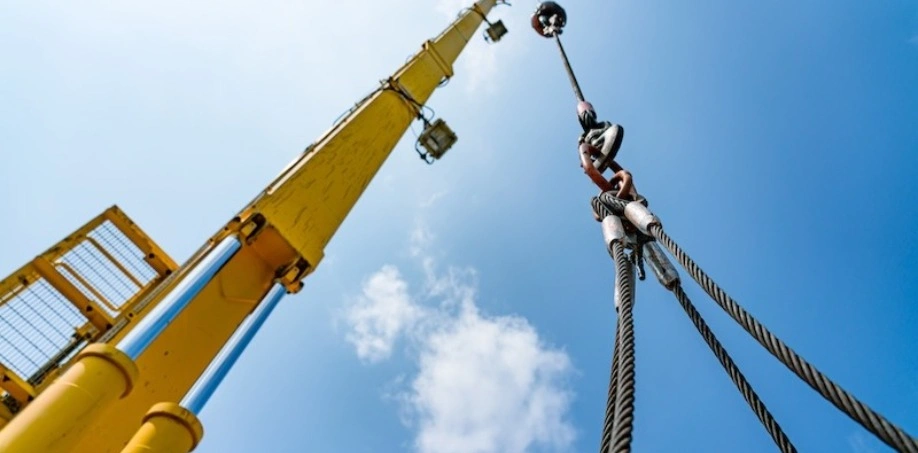
When it comes to construction, there are two things you absolutely must trust: your morning coffee and your lifting gear. And while coffee boosts your energy, only high-quality lifting slings keep your job site safe, efficient, and OSHA-friendly. In this guide, we’ll break down the best sling choices for heavy-duty construction work—minus the headaches and boring textbook tone.
Whether you’re hoisting beams, positioning precast concrete, or lifting oversized steel components, the right sling setup makes all the difference. Let’s dive into the world of lifting gear like we’re giving a guided tour of the Avengers… but for rigging.
What Are Lifting Slings in Construction?
Lifting slings are the muscle behind nearly every construction lift. They wrap, secure, and stabilize loads while working alongside cranes, hoists, shackles, and hooks. Some job sites swear by lifting slings, others rely heavily on chain slings or wire rope slings—and the best choice depends on the job, load type, and environment.
Construction sites are unpredictable. There’s mud, rain, sharp edges, uneven terrain, and equipment that “mysteriously disappears” (we’re looking at you, Dave). That’s why choosing the right sling isn’t optional—it’s essential.
Top Sling Options for Heavy-Duty Construction
Below are the best sling types ranked by toughness, reliability, and overall job-site performance.
🏆 1. Chain Slings – The Undisputed Heavy-Duty Champion
If slings had a superhero ranking, chain slings would be the unstoppable tank. Built from alloy steel and available in Grade 80, Grade 100, and Grade 120, they are engineered for the dirtiest, toughest lifts.
Why Construction Crews Love Them
-
Handles extreme temperatures
-
Resistant to tears, abrasion, and sharp edges
-
Adjustable with shortening hooks
-
Perfect for steel beams, machinery, rebar bundles, concrete panels
Best Applications
High-heat environments, rugged terrain, and jobs where durability matters more than anything else.
If your job site often looks like a battlefield, chain slings are your ride-or-die.
🧰 2. Wire Rope Slings – The Reliable All-Rounder
Wire rope slings are the classic choice in construction—strong, flexible, and extremely dependable.
Why They’re Popular
-
High strength-to-weight ratio
-
Resistant to crushing and deformation
-
Ideal for lifting large or awkward shapes
-
Excellent for construction cranes, tower cranes, and mobile cranes
Whether you’re lifting precast concrete blocks or maneuvering scaffolding components, wire rope slings remain a site favorite.
🪶 3. Webbing Slings – The Lightweight Hero
When operators need something light, soft, and gentle on load surfaces, webbing slings are the stars.
Why Operators Love Them
-
Lightweight and easy to handle
-
Non-damaging to painted or finished surfaces
-
Ideal for fragile, delicate, or irregularly shaped items
-
Surprisingly strong for their weight
These slings aren’t meant to replace chain slings—but for load protection, they’re unbeatable.
🟩 4. Round Slings – The Hidden Strength Under a Soft Shell
Round slings combine high lifting capacity with surface protection.
Advantages
-
Flexible and adapts perfectly to load shapes
-
Provides 360° support
-
Strong load capacity despite low weight
If your construction site deals with machinery installation or lifting expensive equipment, round slings are the gentle giants you’ll appreciate.
Important Factors When Choosing the Right Sling
Choosing a sling isn’t a guessing game. Here’s what construction pros look at before rigging up a lift:
1. Load Weight
Always verify the load’s weight and match it with the sling’s Working Load Limit (WLL). This is non-negotiable unless you enjoy paperwork, accidents, and angry supervisors.
2. Load Shape
Sharp edges? Choose chain slings.
Fragile? Go for webbing or round slings.
Awkward geometry? Wire rope is your best friend.
3. Environmental Conditions
-
Heat: pick chain slings
-
Chemicals: avoid webbing
-
Water or mud: wire rope excels
4. Sling Angle
The smaller the angle, the larger the tension. Sling angles are the silent killers in rigging.
5. Required Durability
Construction = chaos. Some slings simply survive chaos better than others.
Sling Configurations for Construction
Construction lifting usually relies on different sling-leg configurations depending on the load:
-
Single-leg chain sling – for vertical lifts
-
Double-leg sling – for stability
-
Three- or four-leg sling – for uneven or heavy loads
-
Basket and choker hitches – for different load grips
Need versatility? A multi-leg chain sling setup handles unpredictable loads like a champ.
Why Quality Rigging Equipment Matters on Construction Sites
Let’s be honest: construction sites are high-risk environments. One weak sling or improperly inspected hook can lead to downtime, damaged materials, or—worst case—accidents.
High-quality equipment such as:
…ensures stability and safety during every lift.
And because every site has that one guy who forgets to inspect equipment, choosing durable gear minimizes the risk of human error.
Maintenance Tips for Longer Sling Life
Construction gear works hard—really hard. But with a little care, you can keep your slings working safely for years.
✔ Inspect before every shift
Look for wear, cuts, stretches, heat damage, or bent hardware.
✔ Store properly
Keep slings away from moisture, chemicals, and sunlight when possible.
✔ Replace damaged components immediately
A frayed web sling or cracked chain link is never “good enough for one more lift.”
✔ Clean slings after heavy use
Dirt and concrete dust can shorten service life.
Conclusion: Choose the Right Sling, Lift Like a Pro
Whether you’re assembling skyscrapers or setting heavy structures into place, the right lifting sling is your ultimate teammate. Chain slings bring unmatched durability, wire rope slings offer versatility, and webbing and round slings protect your loads with gentle strength.
Construction demands toughness—and your rigging gear should meet that challenge every single time.
🎥 Want to See These Lifts in Action?
Check out our rigging videos here:
https://www.youtube.com/@shenlirigging-f1f/shorts