
Chain Pulley Block: Complete Guide to Chain Block Pulleys, Manual Chain Hoists & Selection from Manufacturers

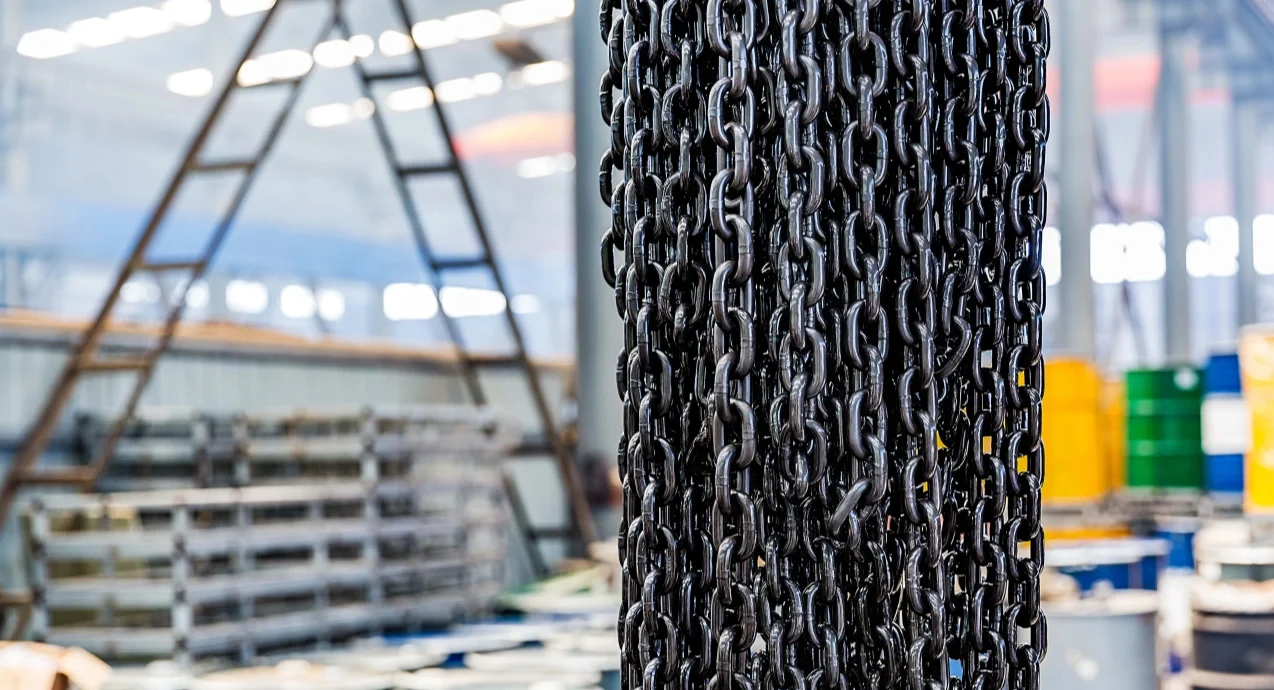
When industrial facilities, construction sites, warehouses, and manufacturing operations require reliable lifting solutions for heavy loads without electric power, the chain pulley block — also known as a manual chain hoist, chain block pulley, or lever hoist — provides the essential combination of mechanical advantage, portability, and proven safety that has made these devices indispensable across industries worldwide. Whether you’re evaluating pulley chain block options for purchase, researching chain block pulley specifications, comparing chain pulley block manufacturer capabilities, or sourcing multiple chain pulley blocks for fleet applications, understanding the equipment types, load ratings, quality indicators, and sourcing considerations ensures optimal investment decisions.
This comprehensive guide from Shenli Ringing — a specialized manufacturer of industrial hooks, rigging chains, and chain pulley blocks serving B2B customers globally — covers everything procurement teams and safety managers need to know about manual chain hoists: how they work, critical specifications to evaluate, quality verification procedures, application considerations, and how to source reliable equipment from qualified manufacturers.
What Is a Chain Pulley Block?
A chain pulley block is a manually operated mechanical lifting device that uses a hand chain to operate an internal gearing mechanism, providing significant mechanical advantage that allows a single operator to lift loads ranging from 250 kg to 50+ tons. The equipment consists of several integrated components working together to achieve controlled, safe lifting.
Core Components
Load chain: The heavy-duty alloy steel chain (typically Grade 80 or Grade 100) that directly supports the lifted load via an attached hook. Available in single-fall, double-fall, triple-fall, or quad-fall configurations depending on required capacity and lift height.
Hand chain: The continuous loop chain the operator pulls to activate the lifting mechanism. Lower force required on hand chain compared to load lifted due to mechanical advantage of internal gearing.
Gear mechanism: Precision-engineered gear train inside the housing that multiplies the operator’s pulling force. Gear ratios vary from 1:10 to 1:30+ depending on capacity — higher ratios provide greater mechanical advantage for heavier loads.
Upper hook: Attachment point for securing the chain block to overhead structures, beams, trolleys, or other suspension points. Typically includes a swivel bearing for load orientation.
Lower hook: Attachment point where the load connects to the chain block via slings, shackles, or other rigging hardware.
Brake mechanism: Automatic load-holding brake (typically Weston-style friction brake or ratchet-and-pawl design) prevents load from descending when operator releases hand chain. Critical safety feature preventing uncontrolled lowering.
Housing/frame: Die-cast aluminum, steel, or alloy steel casing protecting internal components from contamination while providing structural support for gearing and mounting points.

How Chain Pulley Blocks Work
Lifting operation: Operator pulls the hand chain in the lifting direction (typically marked with arrows or “UP” designation). The hand chain drives the input gear, which connects through the gear train to the load chain sprocket. As the sprocket rotates, the load chain wraps onto the sprocket, shortening the effective chain length and raising the load.
Lowering operation: Operator pulls the hand chain in the opposite direction (lowering direction). The brake mechanism releases in controlled fashion, allowing the load chain to pay out gradually from the sprocket as the load descends. Quality chain blocks provide smooth, controlled lowering without jerking or sudden drops.
Load holding: When the operator releases the hand chain, the automatic brake engages immediately, locking the load at its current position. This hands-free load holding is a fundamental safety feature distinguishing chain blocks from basic pulley systems.
Chain Pulley Block vs. Other Lifting Equipment
Chain pulley block vs. electric chain hoist: Chain blocks are manually powered (no electricity required), making them ideal for locations without power access, outdoor/remote sites, and explosive atmospheres where electric sparks pose hazards. Electric hoists offer faster lifting but require power infrastructure and higher initial investment.
Chain pulley block vs. lever hoist (come-along): Both are manual devices, but lever hoists use a ratcheting lever action instead of a continuous pull chain. Lever hoists excel in horizontal pulling and tight-space applications; chain blocks are optimized for vertical lifting with higher lift heights.
Chain pulley block vs. wire rope hoist: Wire rope hoists (manual or electric) use steel wire rope instead of chain. Wire rope provides faster lift speeds and longer lift heights but requires more complex maintenance and is more susceptible to wear and damage.
Types and Capacities of Chain Block Pulleys
Chain block pulley equipment is available in diverse configurations to match application requirements.
Capacity Classifications
Light duty (250 kg – 1,000 kg):
- Single-fall chain standard
- Compact, lightweight housing (often aluminum)
- Manual operation practical for full capacity
- Applications: Maintenance shops, small assembly operations, automotive repair
- Typical price range: $80-$250
Medium duty (1,000 kg – 5,000 kg):
- Single-fall or double-fall chain depending on exact capacity
- Steel or aluminum housing
- Balanced mechanical advantage — reasonable hand chain effort
- Applications: General industrial, construction, warehousing, facility maintenance
- Typical price range: $200-$800
Heavy duty (5,000 kg – 20,000 kg):
- Double-fall or triple-fall chain standard
- Robust steel housing construction
- Higher gear ratios reduce hand chain effort for heavy loads
- Applications: Heavy industrial, steel mills, shipyards, power plants, large construction
- Typical price range: $600-$3,000
Extra heavy duty (20,000 kg – 50,000+ kg):
- Triple-fall or quad-fall chain
- Reinforced steel construction throughout
- Specialized applications requiring engineering review
- Applications: Shipbuilding, heavy equipment manufacturing, specialized industrial
- Typical price range: $2,500-$10,000+
Chain Fall Configurations
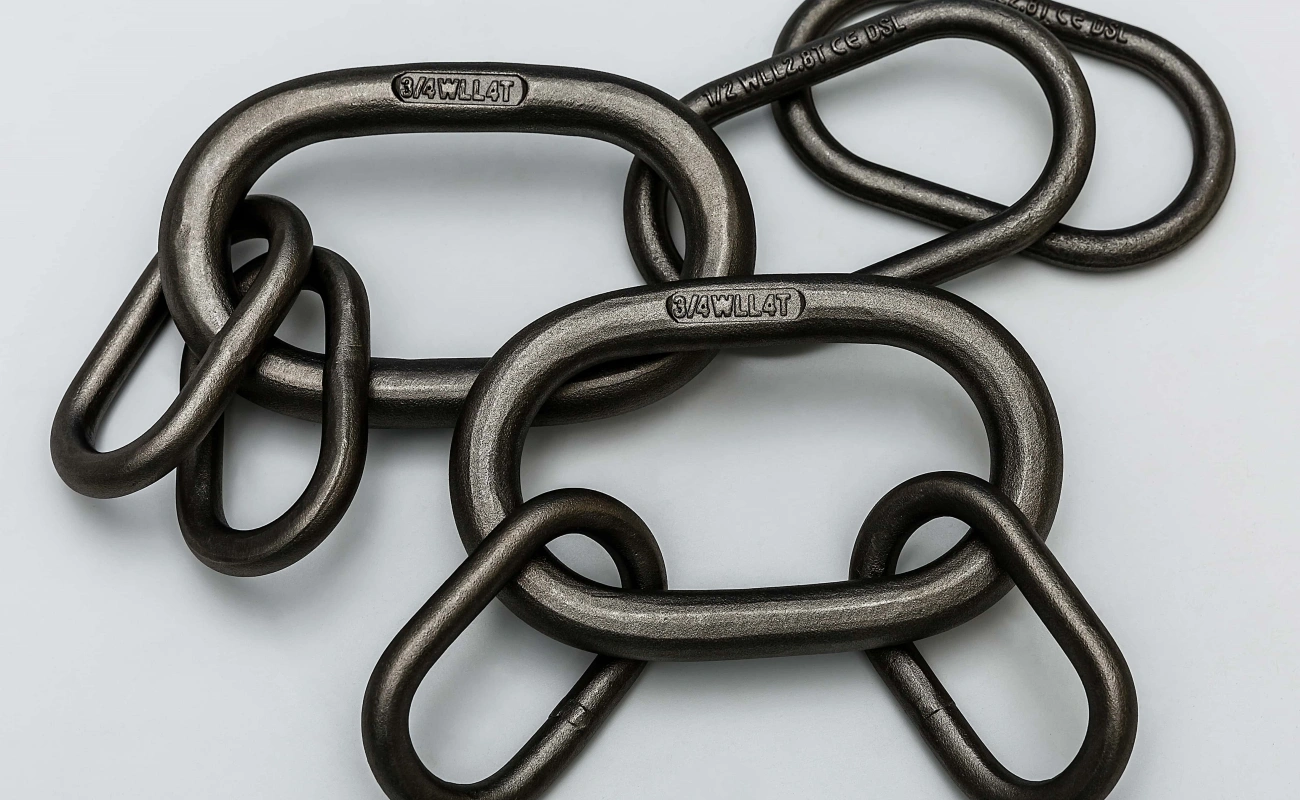
Single-fall: One length of load chain passes through the mechanism. Maximum capacity typically 5,000 kg. Provides longest lift height for given chain length. Fastest lifting (fewer chain wraps per lift increment).
Double-fall: Load chain passes through mechanism twice, creating two supporting chain segments. Doubles the mechanical advantage, allowing 10,000 kg capacity with manageable hand chain effort. Reduces lift height to approximately half of single-fall for same chain length.
Triple-fall: Three supporting chain segments. Used for 15,000-30,000 kg capacities. Further reduces lift height but maintains reasonable hand chain pull effort.
Quad-fall: Four supporting segments for 30,000+ kg ultra-heavy applications. Lift height significantly reduced but allows enormous loads with manual operation.
Lift Height Options
Standard lift heights typically range from 3 meters to 12 meters depending on capacity and chain fall configuration. Custom lift heights available from manufacturers:
- Standard lifts: 3m, 6m, 9m, 12m
- Custom lifts: Any height from 1.5m to 30+ meters (subject to capacity and fall configuration constraints)
Important consideration: Longer lift heights add weight and bulk to the chain block. For applications requiring occasional long lifts, consider standard lift height with supplemental rigging rather than oversized permanent chain length.
Critical Specifications for Chain Pulley Blocks
Selecting the right pulley chain block requires evaluating these key specifications against application requirements.
Load Capacity and Safety Factor
Working Load Limit (WLL): The maximum load the chain block is rated to lift safely under normal operating conditions. Never exceed the marked WLL.
Safety Factor: Ratio of breaking strength to working load limit. Quality chain blocks maintain minimum 4:1 safety factor (some exceed 5:1 or 6:1). This means a 1,000 kg WLL chain block will not fail until loads exceed 4,000+ kg — but operating above WLL voids warranties and creates liability.
Proof Load: Testing load applied during manufacturing to verify structural integrity (typically 1.5× WLL). Manufacturers should provide proof load test certificates.
Chain Specifications
Chain grade: Grade 80 alloy steel is standard for most industrial applications. Grade 100 offers 25% higher working load in the same chain size (allowing smaller, lighter chain blocks for given capacity).
Chain diameter: Varies with capacity. Common sizes range from 6mm (light duty) to 22mm+ (extra heavy duty). Larger diameter provides higher strength but adds weight and reduces lift speed.
Chain surface treatment: Galvanized, zinc-plated, or black oxide finishes protect against corrosion. Stainless steel chain available for corrosive environments (marine, chemical plants) at premium pricing.
Gear and Brake Quality
Gear material: Hardened alloy steel gears provide longest service life under heavy loads. Budget models may use softer materials that wear faster.
Gear precision: Precision-machined gears (vs. cast or sintered gears) ensure smooth operation, even load distribution, and longer component life.
Brake type:
- Weston-style friction brake: Most common. Uses friction discs pressed together by spring force. Reliable, proven design.
- Ratchet-and-pawl brake: Mechanical teeth engage to prevent reverse rotation. Positive engagement but can be noisy.
Brake holding capacity: Should reliably hold 1.25× WLL minimum. Quality manufacturers test brake holding at rated capacity plus margin.
Housing and Structural Components
Housing material:
- Die-cast aluminum: Lightweight, corrosion-resistant, suitable for capacities up to 3,000-5,000 kg
- Steel: Heavier but more robust. Standard for 5,000+ kg capacities
- Stainless steel: Specialized applications in corrosive environments
Hook design:
- Forged hooks: Superior strength and fatigue resistance vs. cast hooks
- Hook latches: Safety latches prevent slings from slipping off hooks during lifting
- Swivel hooks: Upper hook swivel bearing allows load orientation without chain twisting

Quality Indicators When Sourcing Chain Pulley Blocks
Not all chain pulley block manufacturer suppliers deliver equivalent quality. These factors distinguish professional-grade manufacturers from commodity producers.
Certification and Standards Compliance
Essential certifications:
- CE marking: Compliance with European Machinery Directive 2006/42/EC (essential for European markets)
- ISO 9001:2015: Manufacturer operates certified quality management system
- ASME B30.16: American standard for overhead hoists (underhung) — relevant for North American markets
- AS 1418.2: Australian standard for manually operated hoists
Product-specific markings: Every quality chain block should display permanent markings indicating:
- Manufacturer name/trademark
- Working load limit (WLL)
- Serial number or batch code for traceability
- Standards compliance (CE marking, etc.)
Test certificates:
- Proof load certificates documenting testing to 1.5× WLL
- Material certificates for load chain verifying Grade 80/100 specification
- Inspection certificates documenting final quality control
Manufacturing Quality Indicators
Precision machining: Observe gear teeth for uniform, precise machining. Rough, uneven gear teeth indicate lower manufacturing quality and predict shorter service life.
Surface finishing: Quality chain blocks feature clean, smooth castings without porosity, cracks, or excessive machining marks. Surface finish indicates overall manufacturing standards.
Chain quality: Inspect load chain for uniform dimensions (consistent pitch, uniform link shapes). Variation indicates poor manufacturing control.
Smooth operation: Operate the chain block without load. Hand chain should pull smoothly without binding, jerking, or unusual resistance. Rough operation indicates poor internal fit or inadequate lubrication.
Load test before shipment: Quality manufacturers load test 100% of production (or statistical sampling depending on volume). Request documentation.
Applications and Industry Sectors
Chain pulley blocks serve critical lifting functions across diverse industrial sectors.
Construction and Building
Lifting steel beams, positioning concrete forms, installing HVAC equipment, rigging materials to upper floors. Chain blocks provide portable lifting capability without requiring onsite power.
Typical capacities: 1,000-10,000 kg Key requirements: Rugged construction for jobsite conditions, weather resistance, drop-tested hooks for safety
Manufacturing and Assembly
Positioning heavy components during assembly, feeding production lines with materials, maintenance operations requiring equipment removal.
Typical capacities: 500-5,000 kg Key requirements: Smooth operation for precise positioning, durability for high-cycle use, easy maintenance
Warehousing and Logistics
Loading and unloading heavy items, positioning goods in storage, container stuffing/destuffing operations.
Typical capacities: 1,000-5,000 kg Key requirements: Portable for varied locations, reliable brake for load holding, corrosion resistance if used outdoors
Marine and Shipbuilding
Rigging materials during construction, maintenance operations aboard vessels, positioning heavy ship components.
Typical capacities: 1,000-20,000+ kg Key requirements: Corrosion-resistant construction (stainless steel or heavy galvanizing), high safety factors for marine environment, SOLAS compliance for shipboard applications
Mining and Heavy Industry
Lifting heavy machinery components, positioning equipment during maintenance, supporting heavy industrial operations.
Typical capacities: 5,000-50,000 kg Key requirements: Extra-heavy duty construction, spark-resistant options for explosive atmospheres, high safety factors for demanding conditions
Automotive and Equipment Repair
Engine removal and installation, transmission work, positioning heavy vehicle components.
Typical capacities: 500-3,000 kg Key requirements: Compact for shop environments, easy single-operator use, hook latches for safety

Safety Considerations and Best Practices
Proper chain block pulley operation requires adherence to safety protocols protecting operators and equipment.
Pre-Use Inspection
Before each use, inspect:
- Load chain for wear, cracks, stretched links, or deformation
- Hand chain for damage or wear
- Hooks for cracks, deformation, or worn latch mechanisms
- Housing for cracks or damage
- Brake function (lift small load, release hand chain — load should hold without drift)
Periodic detailed inspection (monthly or quarterly depending on use intensity):
- Internal gear wear
- Brake disc/pad condition
- Bearing condition
- Lubrication adequacy
Operating Safety Rules
Never exceed rated capacity: Operating over WLL creates extreme safety hazards and voids all warranties.
Check rigging before lifting: Ensure slings, shackles, and attachment points are properly rated and configured.
Lift straight and level: Angled pulling creates side loading on components, reducing capacity and accelerating wear.
Controlled operation: Avoid jerking, sudden starts, or rapid lowering. Smooth, controlled operation maximizes safety and equipment life.
Clear area beneath load: Never work or allow personnel beneath suspended loads.
Regular maintenance: Follow manufacturer’s lubrication and inspection schedules.
Chain Pulley Block Manufacturer Selection Criteria
Choosing the right chain pulley block manufacturer requires systematic evaluation beyond just price comparison.
Manufacturing Capability Assessment
Production capacity: Can manufacturer fulfill your order volume within required timeline?
In-house manufacturing depth: Manufacturers who produce critical components in-house (gears, hooks, housings) typically deliver better quality control than assemblers sourcing all components externally.
Quality control systems: ISO 9001:2015 certification indicates systematic quality management, but also evaluate actual testing protocols and inspection procedures.
Technical support: Does manufacturer provide engineering support for application questions, capacity calculations, or custom configurations?
Product Range and Customization
Standard capacity range: Does manufacturer offer the full capacity range you require, from light-duty through heavy-duty?
Custom configurations: Ability to provide non-standard lift heights, special hooks, corrosion-resistant construction, or other custom specifications?
Spare parts availability: Long-term spare parts stocking ensures equipment serviceability over 10-20 year service life.
Certifications and Compliance
Geographic market compliance: CE marking for Europe, OSHA/ASME compliance for North America, AS standards for Australia, etc.
Product liability insurance: Manufacturers with adequate product liability insurance demonstrate commitment to quality and safety.
Traceability systems: Ability to trace individual chain blocks from raw materials through finished product via serial numbers and batch codes.
Pricing and Value
Price positioning: Ultra-low pricing often indicates substandard materials, inadequate testing, or non-compliant manufacturing. Competitive pricing from established manufacturers with proper certifications provides optimal value.
Payment terms: Established manufacturers offer reasonable payment terms for qualified buyers.
Warranty: Standard warranty should be minimum 12 months against manufacturing defects; quality manufacturers often provide 2+ years.

Shenli Ringing Chain Pulley Blocks
Shenli Ringing specializes in manual lifting equipment for B2B customers worldwide, manufacturing chain pulley blocks, industrial hooks, and rigging chains as integrated product families with consistent quality standards.
Our Chain Block Range
Capacity Coverage: 500 kg to 20,000 kg standard capacities
- Light duty: 500 kg, 1,000 kg, 1,500 kg, 2,000 kg
- Medium duty: 3,000 kg, 5,000 kg
- Heavy duty: 7,500 kg, 10,000 kg, 15,000 kg, 20,000 kg
Standard Lift Heights: 3m, 6m, 9m, 12m (custom heights available)
Chain Specifications:
- Grade 80 alloy steel load chain standard
- Grade 100 available for premium applications
- Galvanized surface treatment standard; stainless steel available
Housing Options:
- Die-cast aluminum (capacities to 5,000 kg)
- Steel housing (5,000+ kg capacities)
- Stainless steel construction for corrosive environments
Hook Features:
- Forged alloy steel hooks (not cast)
- Safety latches standard on all hooks
- Swivel upper hook bearing (360° rotation)
Brake System:
- Weston-style friction brake (proven, reliable design)
- Holds 1.5× WLL minimum
- 100% brake function testing before shipment
Quality Assurance
Manufacturing Standards:
- ISO 9001:2015 certified production facility
- CE marking compliance
- ASME B30.16 compliance available for North American markets
Testing Protocols:
- 100% proof load testing to 1.5× WLL
- Brake holding test at rated capacity
- Operational testing under load
- Final inspection documented with serial number traceability
Documentation Provided:
- Test certificates with each shipment
- User manuals in English (additional languages available)
- Maintenance and inspection guidelines
- Material certificates for chain and critical components
Integrated Product Family
Industrial Hooks: Shenli Ringing manufactures the forged hooks used in our chain blocks, ensuring quality control and material traceability. Available as spare parts or standalone rigging components.
Rigging Chains: Our Grade 80 chain production supplies both chain block load chains and standalone rigging chain for slings and assemblies. Consistent quality across product applications.
Complete Lifting Solutions: Combine chain blocks with our hooks, chains, and rigging hardware for turnkey lifting system procurement from single source.
Why Choose Shenli Ringing
Vertical integration: In-house manufacturing of hooks, chains, and chain blocks provides quality control and competitive pricing across product families.
Export expertise: Serving B2B customers in North America, Europe, Middle East, Australia, and global markets with complete export documentation and logistics support.
Technical support: Engineering team provides application assistance, load calculations, and custom configuration development.
Competitive pricing: Factory-direct eliminates distributor margins while maintaining quality standards required for professional industrial applications.
Flexible minimums: Standard capacities available from 10 units; custom configurations from 50 units depending on specifications.
Quality commitment: 2-year warranty on chain blocks; spare parts stocked for 10+ years to support long equipment service life.

Maintenance and Service Life
Proper maintenance extends chain pulley block service life to 15-20+ years in typical industrial service.
Lubrication Requirements
Load chain: Lubricate with light oil or chain lubricant every 3 months (more frequently in dusty or corrosive environments). Wipe excess to prevent dirt accumulation.
Internal gears: Factory lubrication adequate for first 12 months. Annual re-lubrication recommended using manufacturer-specified grease.
Hooks and pivot points: Light oil on hook latches and swivel bearings every 6 months.
Inspection Schedule
Daily (before use): Visual inspection of chain, hooks, housing for obvious damage.
Monthly: Detailed inspection including brake function test and chain measurement (check for stretch/wear).
Annual: Complete disassembly inspection by qualified technician. Replace worn components preventively.
Common Wear Items
Load chain: Eventually stretches and wears. Measure pitch; replace when elongation exceeds 3% of original.
Brake pads/discs: Friction material wears gradually. Replace when thickness reduces to minimum specification.
Hooks: Inspect throat opening. Replace when opening increases 10% beyond original or any cracks appear.
Conclusion: Sourcing Quality Chain Pulley Blocks
Whether you’re evaluating chain block pulley options for new equipment purchases, comparing pulley chain block specifications from different suppliers, or establishing relationships with a chain pulley block manufacturer for ongoing supply of chain pulley blocks, systematic evaluation of capacity requirements, quality indicators, certifications, and manufacturer capabilities ensures optimal investment in lifting equipment that delivers safe, reliable performance over decades of service.
Shenli Ringing provides factory-direct access to quality chain pulley blocks engineered to international standards, backed by integrated hook and chain manufacturing, comprehensive testing, and long-term technical support.