
G100 Clevis Sling Hook Explained: Design, Function, and Load Safety Basics

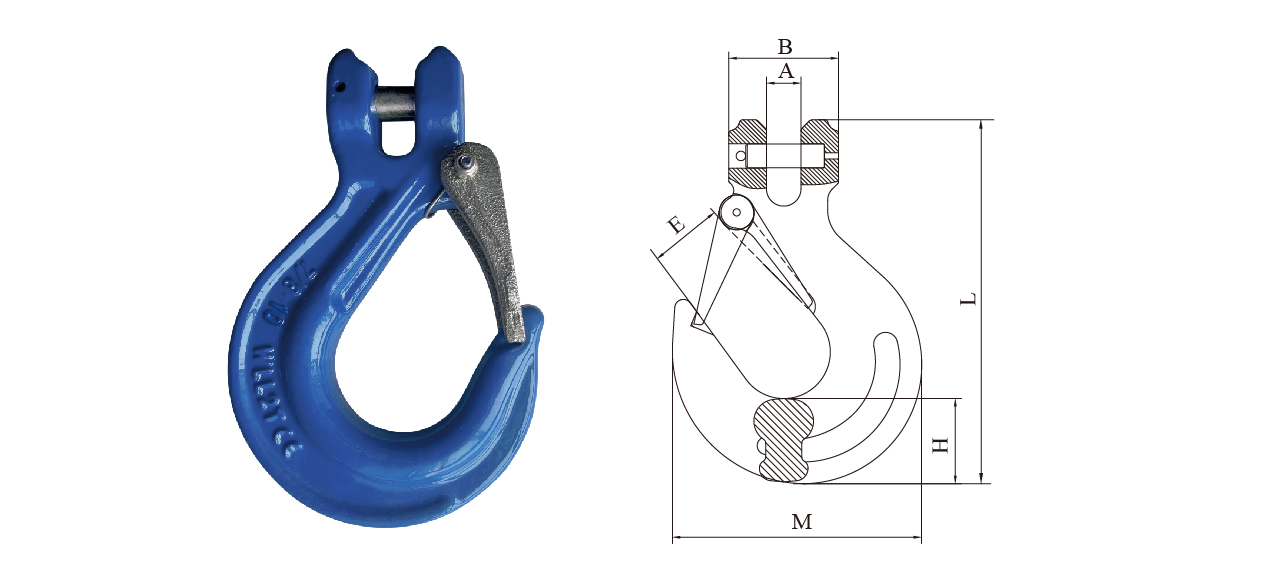
In the world of lifting and rigging, hooks may look simple, but they carry a serious responsibility. One small component connects tons of steel, machinery, or materials to the lifting system—and that connection must be reliable. Among modern rigging hardware, the G100 Clevis Sling Hook stands out as a practical and widely used option for demanding lifting environments.
This article takes a closer look at how this hook is designed, how it functions in real lifting scenarios, and what basic load safety concepts you should understand before putting it to work.
Don’t worry—no engineering lecture, just clear explanations with a bit of personality.
What Is a G100 Clevis Sling Hook?
A G100 clevis sling hook is a high-strength lifting hook designed to connect directly to chain slings using a clevis pin and cotter mechanism. The “G100” grade refers to its material strength classification, which allows it to handle higher working loads compared to lower-grade hooks of the same size.
In practical terms, that means more lifting capacity without increasing hook dimensions. Stronger steel, smarter design—everyone wins.
Why the Clevis Design Matters
Unlike eye hooks or slip hooks, a clevis sling hook uses a pin-based connection. This design offers several advantages:
-
Secure attachment to chain slings
-
Reduced risk of accidental disengagement
-
Easy installation and replacement in the field
The G100 Clevis Sling Hook is commonly chosen when a permanent or semi-permanent connection is preferred over temporary links.
Breaking Down the Design (Piece by Piece)
1. High-Strength Hook Body
The hook body is forged from alloy steel and designed to handle high working loads while maintaining a compact profile. Its geometry supports stable load engagement during vertical and angled lifts.
Strong, dependable, and not here to show off—exactly what lifting hardware should be.
2. Clevis Pin Connection
The clevis pin passes through the chain and hook body, locking everything together securely. This connection minimizes movement at the joint and helps distribute load forces evenly.
Translation: less stress concentration, longer service life.
3. Safety Latch
Most G100 clevis sling hooks include a safety latch designed to help retain the sling or load during handling. While not load-bearing, it adds an extra layer of operational security.
Think of it as the seatbelt—not the engine, but still important.
How the G100 Clevis Sling Hook Functions in Lifting Systems
During lifting operations, loads rarely behave perfectly. Shifting weight, angled pulls, and movement are part of real-world conditions. The G100 Clevis Sling Hook is designed to maintain stable load engagement even when conditions aren’t ideal.
By creating a solid connection between the chain sling and the load, it helps ensure that lifting force is transmitted efficiently through the rigging system.
Typical Applications You’ll See It In
This type of hook is widely used across industries, including:
-
Construction and steel erection
-
Manufacturing plants
-
Heavy equipment handling
-
Warehousing and logistics
-
Maintenance and repair operations
Anywhere chain slings are used regularly, clevis hooks are likely nearby—quietly doing their job.
Understanding Load Safety Basics (Without the Headache)
Working Load Limit (WLL)
Every G100 Clevis Sling Hook is rated with a Working Load Limit. This value represents the maximum load the hook is designed to handle under normal operating conditions.
Exceeding it is not “testing the limit”—it’s asking for trouble.
Proper Alignment
Hooks should be loaded in line with the hook’s center. Side loading or tip loading introduces unnecessary stress and can reduce service life.
If the hook looks uncomfortable, it probably is.
Regular Inspection
Before use, inspect the hook for:
-
Deformation
-
Cracks
-
Excessive wear
-
Damage to the latch or pin
A few seconds of inspection can save hours of downtime later.
Why G100 Grade Makes a Difference
Compared to lower-grade hooks, G100 hardware offers:
-
Higher load capacity
-
Reduced weight for the same strength
-
Compatibility with modern high-grade chain systems
The G100 Clevis Sling Hook fits naturally into lifting systems where performance and efficiency matter.
Installation and Replacement Considerations
Installing a clevis sling hook is straightforward, but attention matters:
-
Ensure the pin is fully seated
-
Secure the cotter or locking mechanism
-
Match hook size to chain size
No shortcuts. Rigging hardware rewards patience and precision.
Why This Hook Is a Staple in Modern Rigging
As lifting operations become more demanding, components that balance strength, reliability, and ease of use are favored. The G100 Clevis Sling Hook meets those expectations without unnecessary complexity.
It’s not glamorous—but it’s trusted, and that matters more.
Final Thoughts
Hooks may not be the most exciting part of a lifting system, but they are among the most critical. Understanding how a G100 clevis sling hook is designed and how it functions helps operators and buyers make better decisions.
Strong steel, smart design, and proper use—that’s the real formula for safe lifting.
Want to see lifting hardware like this in action?
Explore real-world rigging clips and short demos on our YouTube channel.