
Lifting Hook Maintenance Tips: How to Extend the Life of Your Rigging Gear

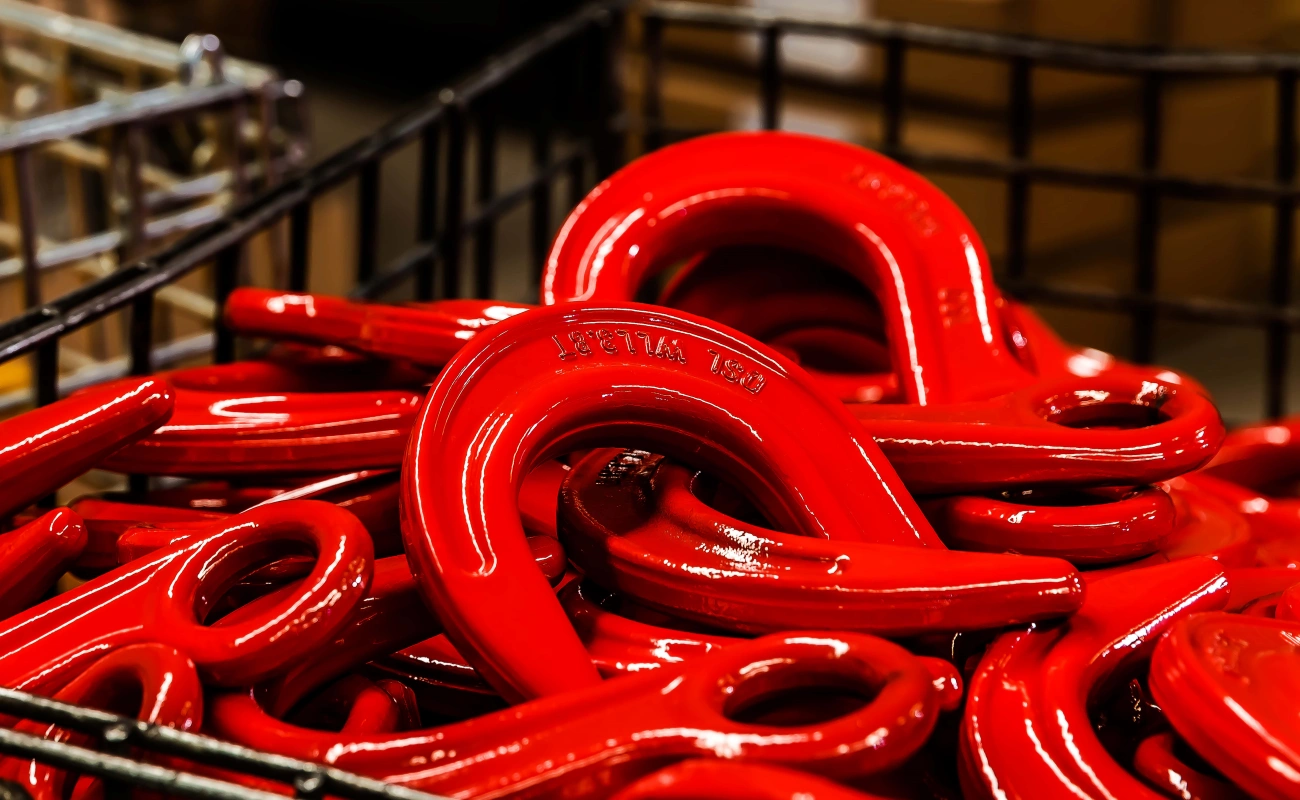
When it comes to heavy lifting, your lifting hooks are the unsung heroes. They bear the weight, take the stress, and sometimes even get a little jealous of the shiny chains that steal the spotlight. But like any hardworking hero, they need care, attention, and a little pampering to stay in top shape. Let’s dive into some practical, hands-on tips to make sure your lifting hooks and overall rigging gear last longer than your morning coffee ritual.
1. Keep It Clean: Dirt Is Not Your Friend
Imagine dragging a muddy boot across your pristine kitchen floor—gross, right? The same goes for your lifting hooks. Dirt, grime, and debris can slowly chip away at the metal, causing micro-abrasions that weaken the hook over time.
Pro tip: After each use, wipe your hooks with a clean cloth. For stubborn grime, a gentle brush and mild detergent will do the trick. Avoid harsh chemicals—they might clean your hook but also weaken the metal.
Quick checklist:
-
Remove dirt and rust regularly
-
Dry thoroughly to prevent corrosion
-
Apply a light coating of protective oil if storing long-term
2. Inspect Before You Lift: Don’t Skip the Safety Dance
Even the strongest hook can fail if it’s damaged. Before every lift, give your lifting hook a quick once-over. Look for:
-
Cracks or deformation
-
Excessive wear at the throat
-
Bent or twisted points
Think of it as a mini-detective session. Catching issues early can prevent accidents and save thousands in downtime and repairs. If you spot a problem, don’t wait—replace the hook immediately.
3. Lubrication: The Secret Sauce
Hooks aren’t just metal ornaments—they move, swivel, and twist under pressure. Lubrication reduces friction and wear, keeping everything smooth. A well-lubricated hook moves like a dance partner in a salsa class—graceful and effortless.
Tips for proper lubrication:
-
Use a high-quality, non-corrosive lubricant
-
Apply to pivot points and swivels
-
Wipe off excess to avoid attracting dirt
4. Avoid Overloading: Know Your Hook’s Limits
We get it—sometimes lifting more seems like a fun challenge. But exceeding your hook’s rated capacity is like asking a cat to do calculus—it’s not going to end well. Always check the manufacturer’s load rating and never guess.
Helpful habits:
-
Keep a chart of load limits visible in your workspace
-
Use a certified rigging gear inspection tag
-
Train your team on safe lifting practices
5. Storage Matters: Hooks Need a Home Too
Leaving your hooks lying around is like leaving your keys in a puddle—sooner or later, trouble will find them. Proper storage prevents damage and corrosion.
Storage hacks:
-
Hang hooks on dedicated racks
-
Keep in a dry, ventilated area
-
Avoid contact with chemicals or heavy tools
Pro tip: For long-term storage, consider a light coat of rust inhibitor. Your hooks will thank you when it’s showtime.
6. Regular Professional Inspections: Safety Is No Joke
Even with the best care, nothing beats a professional inspection. Certified rigging inspectors can spot tiny issues that escape the naked eye. Make it part of your maintenance schedule—think of it as a spa day for your rigging gear.
7. Documentation: Track Your Hook’s Journey
Keep records of inspections, maintenance, and repairs. This is not just bureaucracy—it’s your hook’s personal diary. Over time, you’ll see patterns, predict wear, and avoid unexpected failures.
Pro tip: Use digital logs or simple spreadsheets. Note: date, inspector, condition, and any corrective action.
8. Common Mistakes to Avoid
Even experienced operators slip up. Here’s a short list of what not to do:
-
Ignoring small cracks or deformations
-
Using hooks for side loading (they hate it)
-
Storing in damp, chemical-prone environments
-
Skipping lubrication or cleaning routines
Avoiding these mistakes dramatically extends the life of your rigging gear.
9. Choosing the Right Hook for the Job
Not all hooks are created equal. Match the hook type and size to your lifting application. Using a small hook for a heavy load is like trying to fit an elephant in a shoebox—it just won’t work. Consider:
-
Hook material
-
Throat opening
-
Load capacity
Pair the right hook with proper rigging practices, and you’ll have a combo that’s safe, efficient, and long-lasting.
10. Final Thoughts: Treat Your Hooks Well
Caring for your lifting hooks isn’t just about avoiding accidents—though that’s a huge bonus—it’s also about saving money, maintaining efficiency, and keeping your team safe. Remember:
-
Clean, inspect, and lubricate regularly
-
Avoid overloading and misuse
-
Store properly and get professional checks
With a little love and attention, your lifting hooks will keep performing like the unsung heroes they are, lift after lift.
Ready to see some of these tips in action? Check out this quick visual guide on hook maintenance and rigging gear care on YouTube. You’ll be a lifting hook pro in no time!