
How to Inspect and Maintain Chain Slings for Safe Lifting Operations

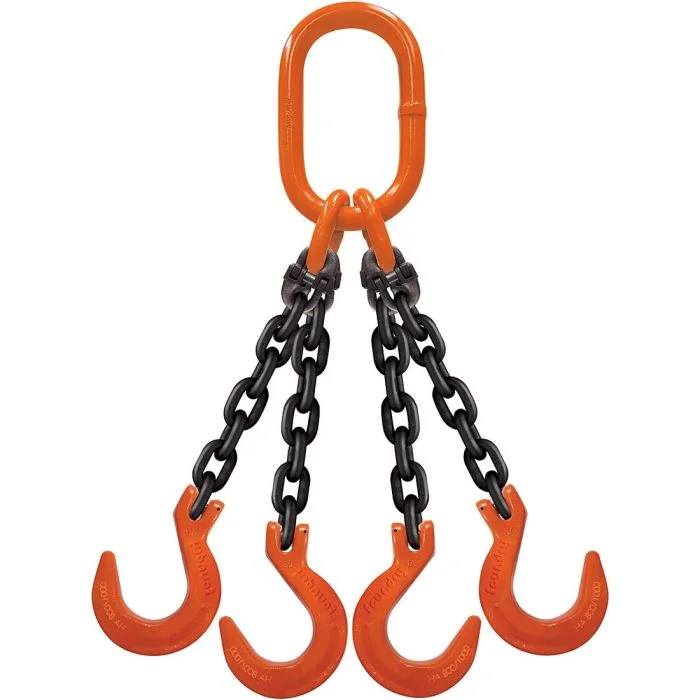
Chain slings are essential lifting tools used in construction, factories, marine operations, and heavy industry. They are valued for their strength, durability, and reliability. However, improper use or lack of maintenance can lead to accidents, equipment damage, or operational downtime. This guide explains how to inspect and maintain chain slings to ensure safe lifting operations.
Why Regular Inspection Matters
Regular inspection of lifting chain slings is critical because:
-
Safety: Detecting wear, deformation, or cracks prevents accidents.
-
Compliance: Most industries require chain sling inspection according to OSHA or ISO standards.
-
Longevity: Proper maintenance extends the service life of G80, G100, and stainless steel chain slings.
-
Cost-effectiveness: Prevents unexpected downtime and reduces replacement costs.
Step 1: Visual Inspection Before Each Use
Before every lift, check the following:
-
Links: Look for cracks, excessive wear, or elongation.
-
Hooks and Shackles: Ensure no deformation, cracks, or bent hooks.
-
Master Links & Connectors: Check for wear, corrosion, or twisting.
-
Chains: Examine for corrosion, rust, or pitting.
-
Latches: Verify that safety latch hooks work correctly.
Tip: Use a checklist to ensure no part is missed during inspection.
Step 2: Periodic Detailed Inspection
-
Frequency: Perform detailed inspections monthly or after lifting heavy loads.
-
Check Grades: Ensure G80, G100, or stainless steel slings have not been overused beyond their rated working load limit (WLL).
-
Lubrication: Lightly lubricate chain links to prevent rust and reduce friction.
-
Markings: Verify that all sling markings (grade, WLL, manufacturer) are legible.
Step 3: Proper Maintenance and Storage
-
Clean After Use: Remove dirt, chemicals, or moisture that may cause corrosion.
-
Storage: Hang slings in a dry, cool place away from direct sunlight or chemicals.
-
Avoid Twisting: Never twist, knot, or shock-load the chain sling.
-
Repair & Replacement: Replace any sling showing significant wear, deformation, or broken links. Do not attempt DIY repairs.
Step 4: Safe Handling Practices
-
Avoid dragging chain slings on rough surfaces.
-
Always use the correct chain sling type (single, double, three, or four-leg) for the load.
-
Never exceed the rated working load limit (WLL).
-
Maintain proper lifting angles for multi-leg slings (less than 60°).
Recommended Types for Maintenance-Friendly Operations
-
G80 Alloy Steel Chain Slings: Most common, reliable for industrial lifting.
-
G100 Alloy Steel Chain Slings: Higher strength, suitable for heavy-duty operations.
-
Stainless Steel Chain Slings: Corrosion resistant, ideal for marine and offshore use.
-
Adjustable Chain Slings: Easier to balance loads and reduce wear during lifting.
Conclusion
Regular inspection and maintenance of chain slings are crucial to ensure safety, compliance, and durability. By following these steps—visual inspection, detailed monthly check, proper storage, and safe handling—you can maximize the lifespan of G80, G100, and stainless steel chain slings while preventing accidents.
For high-quality, durable lifting chain slings, including OEM and wholesale options, contact our factory. We provide custom specifications, reliable supply, and global shipping to meet all your lifting requirements.
chain slings
FAQ About 2 Leg Chain Lifting Slings
1. What is the safe working angle for a 2 leg chain lifting sling?
Typically between 45° and 60°. Larger angles reduce lifting capacity.
2. Can 2 leg chain lifting slings be repaired?
Yes, but only by certified professionals following ASME B30.9 standards.
3. Are alloy steel chains better than stainless steel?
Yes — alloy steel offers higher tensile strength, making it ideal for industrial lifting.
4. How long can a 2 leg chain lifting sling last?
With proper inspection and care, a 2 leg chain lifting sling can last for several years, even under frequent use.
According to OSHA’s official lifting sling inspection guide, every two leg chain sling must be inspected for wear, cracks, and elongation before each use to ensure operator safety.
As outlined in ASME B30.9, two leg chain slings should always operate within recommended load angles to prevent overloading and maintain balance.