
Cable and Rigging Guide: Essential Equipment for Safe Industrial Lifting

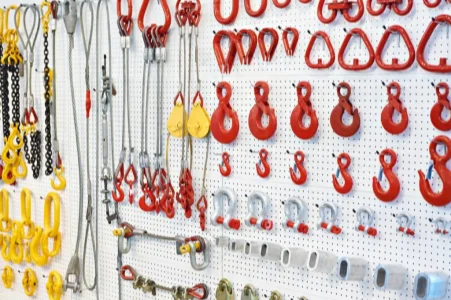
In today’s industrial environment, safe and efficient material handling depends on more than just powerful lifting equipment. Every successful lifting operation relies on a complete cable and rigging system that works together to move heavy loads safely, accurately, and efficiently.
Whether lifting structural steel on a construction site, positioning machinery in a manufacturing plant, handling containers at a port, or assembling equipment in an offshore project, properly selected cable and rigging equipment plays a critical role in ensuring productivity while protecting both personnel and valuable assets.
The term cable and rigging covers a broad range of lifting products, including wire ropes, alloy chain slings, lifting hooks, shackles, pulleys, master links, turnbuckles, and other rigging hardware. Each component has a specific function within a lifting system, and selecting the right combination is essential for maintaining safety, meeting regulatory requirements, and maximizing equipment performance.
Many buyers searching online for cable and rigging solutions encounter thousands of products from different manufacturers, making it difficult to determine which equipment best suits their application. Understanding the differences between wire rope systems, chain slings, and various rigging accessories can significantly improve purchasing decisions while reducing maintenance costs and operational risks.
In this comprehensive guide, we’ll explain the fundamentals of industrial cable and rigging systems, introduce the most common rigging components, compare cable and chain lifting solutions, discuss inspection and maintenance practices, and provide practical advice for selecting a reliable cable and rigging supplier.
Whether you are an equipment distributor, engineering contractor, crane manufacturer, or industrial buyer, this guide will help you build safer and more efficient lifting systems.
What Is Cable and Rigging?
The term cable and rigging refers to the complete system of lifting cables, wire ropes, chain slings, connectors, and hardware used to lift, secure, position, or move heavy loads safely in industrial environments.
Rather than being a single product, cable and rigging is a complete lifting solution that combines multiple components into a reliable system. Every part must work together to distribute loads correctly and maintain structural integrity throughout the lifting process.
A typical cable and rigging system may include:
- Wire rope
- Alloy chain slings
- Lifting hooks
- Shackles
- Master links
- Connecting links
- Turnbuckles
- Snatch blocks
- Pulley blocks
- Wire rope clips
- Eye bolts
- Lifting points
Each component serves a different purpose, but all contribute to the safe transfer of heavy loads.
Why Cable and Rigging Systems Matter
Industrial lifting operations often involve loads weighing several hundred kilograms—or even hundreds of tons. In these situations, every connection point becomes a critical part of the lifting system.
A properly designed cable and rigging system offers several important benefits:
- Improved workplace safety
- Higher lifting efficiency
- Better load control
- Reduced equipment wear
- Longer service life
- Compliance with international lifting standards
Using compatible, certified components also minimizes the risk of uneven load distribution, equipment failure, and costly downtime.
Common Industries That Depend on Cable and Rigging
Cable and rigging equipment is essential in a wide range of industries, including:
- Construction
- Steel fabrication
- Manufacturing
- Mining
- Shipbuilding
- Offshore engineering
- Renewable energy
- Warehousing and logistics
- Ports and terminals
- Oil and gas
Each industry has unique lifting requirements, making it important to select equipment specifically designed for the intended application.
Essential Cable and Rigging Equipment
An effective cable and rigging system is built from high-quality components that work together as a complete lifting solution. Understanding the role of each component helps buyers select equipment that meets both safety requirements and operational demands.
Wire Rope
Wire rope is one of the most commonly used lifting components in industrial applications. Manufactured from multiple strands of high-strength steel wire, wire rope provides excellent flexibility while maintaining outstanding tensile strength.
It is widely used for:
- Tower cranes
- Mobile cranes
- Elevators
- Winches
- Marine lifting
- Offshore operations
Wire rope performs particularly well in applications requiring long lifting distances or continuous movement.
Chain Slings
Unlike wire rope, chain slings are designed for demanding lifting environments where abrasion resistance, high temperatures, and heavy loads are common.
Chain slings offer several advantages:
- Excellent durability
- Easy inspection
- Replaceable components
- Superior resistance to impact loading
- Long service life
Available in single-leg, double-leg, three-leg, and four-leg configurations, chain slings provide flexible lifting solutions for machinery, fabricated steel structures, pipes, and heavy industrial equipment.
Lifting Hooks
Lifting hooks connect the lifting equipment to the load. Depending on the application, they may include:
- Safety hooks
- Sling hooks
- Grab hooks
- Self-locking hooks
- Foundry hooks
Choosing the correct hook design improves operational safety and helps prevent accidental load release.
Shackles
Shackles are indispensable connectors within cable and rigging systems. They join slings, hooks, wire ropes, and other lifting accessories while allowing quick assembly and disassembly.
The most common types include:
- Bow shackles
- Dee shackles
- Screw pin shackles
- Bolt-type safety shackles
Each type is selected based on load direction, required flexibility, and lifting configuration.
Master Links and Connecting Links
Master links serve as the primary attachment point between a lifting device and the sling assembly, while connecting links securely join individual chain components.
High-quality alloy master links ensure even load distribution and provide reliable performance in demanding lifting operations.
Pulley Blocks
Pulley blocks, also known as snatch blocks or sheave blocks, change the direction of a lifting line and reduce the force required to move heavy loads.
They are commonly used in:
- Crane systems
- Winching operations
- Construction
- Utility maintenance
- Marine lifting
Properly selected pulley blocks improve lifting efficiency and reduce stress on both cables and operators.
A complete cable and rigging system is only as strong as its weakest component. For this reason, professional buyers should always source compatible, certified lifting hardware from experienced manufacturers to ensure long-term safety and reliable performance.
Cable vs. Chain Rigging
Selecting the right lifting medium is one of the most important decisions in any material handling operation. While both wire rope and alloy chain slings are widely used in industrial lifting, they are designed to perform under different conditions. Understanding their strengths and limitations helps engineers, distributors, and procurement professionals choose the most effective solution for their specific applications.
There is no universal answer to whether cable or chain is “better.” Instead, the best choice depends on factors such as load weight, lifting frequency, environmental conditions, temperature, abrasion, and the type of equipment being lifted.
When to Use Wire Rope
Wire rope is manufactured by twisting multiple steel wires into strands and then winding those strands around a central core. This construction provides excellent flexibility while maintaining high tensile strength.
Wire rope is particularly suitable for applications requiring:
- Long lifting distances
- Smooth and continuous movement
- High-speed lifting operations
- Large drum winding systems
- Lightweight lifting assemblies
Because of its flexibility, wire rope is commonly found on:
- Tower cranes
- Mobile cranes
- Overhead traveling cranes
- Winches
- Elevators
- Marine cranes
- Offshore lifting systems
Wire rope also performs well when loads must be lifted repeatedly over long vertical distances.
However, wire rope requires routine lubrication and inspection. Individual wire breaks, corrosion, bird-caging, and core damage can gradually reduce its lifting capacity if maintenance is neglected.
When to Use Alloy Chain Slings
Alloy chain slings are manufactured from heat-treated alloy steel and are specifically designed for demanding lifting environments.
Compared with wire rope, chain slings provide:
- Higher resistance to abrasion
- Better performance under impact loading
- Easier visual inspection
- Excellent durability
- Greater resistance to sharp edges
- Superior performance in high-temperature environments
Chain slings are widely used for lifting:
- Steel structures
- Heavy machinery
- Industrial molds
- Fabricated components
- Mining equipment
- Construction materials
- Large pipes
- Offshore equipment
Unlike wire rope, damaged chain links can often be identified quickly during routine inspections, making maintenance more straightforward.
Another advantage is the ability to replace individual components, such as shortening hooks or connecting links, without replacing the entire sling assembly.
Which Solution Is More Cost-Effective?
The initial purchase price is only one part of the total ownership cost.
Wire rope generally has a lower upfront cost and works exceptionally well in applications requiring flexibility and long lifting distances. However, it may require more frequent lubrication and replacement in abrasive environments.
Chain slings often have a higher initial investment but typically provide:
- Longer service life
- Lower maintenance costs
- Reduced downtime
- Better resistance to harsh industrial environments
- Easier inspection and repair
For facilities performing heavy lifting every day, chain slings frequently offer a lower total cost over their operational lifespan.
Cable vs. Chain Rigging Comparison
| Feature | Wire Rope | Alloy Chain Sling |
|---|---|---|
| Flexibility | Excellent | Good |
| Abrasion Resistance | Moderate | Excellent |
| High-Temperature Performance | Moderate | Excellent |
| Impact Resistance | Good | Excellent |
| Ease of Inspection | Moderate | Excellent |
| Repairability | Limited | Replaceable Components |
| Heavy Industrial Lifting | Good | Excellent |
| Long Vertical Lifts | Excellent | Good |
Rather than competing with each other, wire rope and chain slings are complementary solutions. Many industrial lifting systems use both products together, selecting each according to the specific lifting task.
Common Rigging Hardware
A lifting system is only as reliable as the hardware that connects its components. Even the highest-quality wire rope or alloy chain cannot perform safely if paired with unsuitable or low-quality rigging accessories.
Professional rigging hardware is engineered to distribute loads evenly, maintain secure connections, and withstand demanding industrial environments. Every component should be properly rated, compatible with the lifting assembly, and inspected regularly to ensure safe operation.
Below are the most common types of rigging hardware used in industrial lifting.
Lifting Hooks
Lifting hooks are the primary connection point between lifting equipment and the load. They are available in a variety of designs to suit different applications and safety requirements.
Common types include:
- Safety hooks
- Self-locking hooks
- Sling hooks
- Grab hooks
- Foundry hooks
- Clevis hooks
Modern safety hooks are often equipped with spring-loaded latches or automatic locking mechanisms to reduce the risk of accidental load release during lifting.
Selecting the correct hook depends on factors such as load type, lifting angle, and connection method.
Shackles
Shackles are among the most versatile components in any cable and rigging system. They connect wire ropes, chain slings, lifting hooks, and other accessories while allowing for quick assembly and disassembly.
The most commonly used designs include:
Bow Shackles
Bow shackles feature a larger rounded body, making them suitable for multi-leg sling configurations and loads applied from different directions.
Typical applications include:
- Construction
- Marine lifting
- Heavy fabrication
- General rigging
Dee Shackles
Dee shackles, also called chain shackles, have a narrower profile designed for straight-line loading. They are commonly used where space is limited or where the load remains aligned with the shackle.
Master Links
Master links serve as the main connection point between the lifting device and the sling assembly.
Manufactured from forged alloy steel, they are designed to distribute loads evenly across one or more sling legs.
Depending on the lifting configuration, master links may be used with:
- Single-leg slings
- Double-leg slings
- Three-leg slings
- Four-leg slings
Selecting the correct master link size and grade is essential to maintaining the overall Working Load Limit of the lifting assembly.
Connecting Links
Connecting links join individual chain components and allow hooks, shortening devices, or additional chain sections to be integrated into a sling assembly.
High-quality connecting links are precision-engineered to provide secure connections while maintaining the strength of the complete lifting system.
Turnbuckles
Turnbuckles are used to adjust tension within wire rope systems and structural rigging assemblies.
They are widely used in:
- Suspension systems
- Structural bracing
- Marine rigging
- Architectural cable systems
By rotating the body of the turnbuckle, users can accurately increase or decrease cable tension without disconnecting the assembly.
Pulley Blocks and Snatch Blocks
Pulley blocks help redirect lifting lines and reduce the force required to move heavy loads. They improve mechanical advantage, making lifting operations more efficient and reducing stress on cranes, winches, and operators.
These components are widely used in:
- Crane operations
- Utility maintenance
- Construction
- Forestry
- Oil and gas
- Heavy equipment recovery
Selecting the correct pulley diameter and load rating is essential for protecting wire ropes and ensuring smooth operation.
Why Hardware Quality Matters
Every component in a cable and rigging system contributes to the overall safety of the lifting operation. A single under-rated or incompatible fitting can compromise the entire assembly.
When sourcing rigging hardware, buyers should prioritize:
- Forged alloy steel construction
- Clearly marked Working Load Limits (WLL)
- Compliance with international standards
- Precision manufacturing
- Proof testing
- Full traceability
- Compatibility with other lifting components
Working with an experienced manufacturer ensures that every hook, shackle, master link, and pulley is designed to perform reliably under demanding industrial conditions, reducing maintenance costs while improving workplace safety.
Cable and Rigging Supplies
A safe and efficient lifting system depends not only on wire ropes or chain slings but also on a complete range of cable and rigging supplies. Every component within a lifting assembly has a specific function, and all parts must work together to achieve the required Working Load Limit (WLL) while maintaining maximum operational safety.
For industrial buyers, purchasing compatible rigging supplies from a single, reliable manufacturer simplifies equipment management, ensures component compatibility, and improves long-term reliability.
What Are Cable and Rigging Supplies?
Cable and rigging supplies refer to the accessories and lifting hardware used to assemble, connect, secure, and support lifting systems. These products are essential in industries where heavy materials must be lifted, transported, positioned, or secured safely.
A complete cable and rigging solution typically includes:
- Wire ropes
- Alloy lifting chains
- Chain sling assemblies
- Lifting hooks
- Shackles
- Master links
- Connecting links
- Turnbuckles
- Eye bolts
- Wire rope clips
- Pulley blocks
- Snatch blocks
- Load binders
- Swivels
- Lifting clamps
Each product is engineered to perform a specific function while contributing to the overall strength and safety of the lifting system.
Wire Rope Accessories
Wire rope installations require a variety of accessories to create secure and reliable lifting assemblies.
Common wire rope accessories include:
Wire Rope Clips
Wire rope clips are used to form temporary or permanent loop terminations. Proper installation, including correct spacing and tightening torque, is essential for maintaining holding strength.
Thimbles
Wire rope thimbles protect the inside of wire rope eyes from excessive wear and deformation. They also help maintain the proper bending radius, extending the service life of the rope.
Wire Rope Sleeves
Compression sleeves provide permanent wire rope terminations and are commonly used in professionally manufactured lifting slings.
Chain Rigging Components
Chain rigging systems rely on precisely matched alloy components to achieve their certified lifting capacity.
Important chain accessories include:
- Master links
- Connecting links
- Shortening hooks
- Clevis hooks
- Self-locking hooks
- Safety latches
- Chain connectors
Using components of the same lifting grade ensures that the complete assembly maintains its rated Working Load Limit.
Load Securing Equipment
Many industrial projects require equipment that can both lift and secure heavy loads.
Common load securing products include:
- Load binders
- Chain tensioners
- Ratchet binders
- Lever binders
Although these products are frequently used alongside lifting equipment, buyers should understand that load securing equipment and lifting equipment are designed for different applications and should never be used interchangeably unless specifically certified.
Why Compatibility Matters
One of the most common causes of lifting equipment failure is mixing components from different grades, manufacturers, or load ratings.
For example, installing a Grade 80 hook on a Grade 100 chain sling may reduce the lifting capacity of the entire assembly.
Professional buyers should always verify:
- Component grade
- Working Load Limit (WLL)
- Material compatibility
- Dimensional compatibility
- Manufacturer recommendations
- Applicable industry standards
Purchasing complete cable and rigging supplies from a trusted supplier helps eliminate compatibility issues while simplifying maintenance and replacement.
Industrial Applications of Cable and Rigging
Modern industries rely on cable and rigging systems every day to move heavy materials safely and efficiently. From construction sites to offshore platforms, properly selected lifting equipment improves productivity while reducing workplace risks.
Below are some of the most common industries where industrial cable and rigging equipment plays a critical role.
Construction Industry
Construction projects require lifting systems capable of handling structural steel, concrete components, prefabricated modules, and heavy machinery.
Typical applications include:
- Steel beam installation
- Bridge construction
- Tower crane operations
- Precast concrete lifting
- Equipment installation
High-strength chain slings and wire rope systems provide the durability required for demanding construction environments.
Manufacturing Plants
Manufacturing facilities use cable and rigging equipment to move machinery, production tooling, molds, and fabricated components throughout the production process.
Common lifting equipment includes:
- Overhead crane systems
- Electric chain hoists
- Wire rope hoists
- Chain sling assemblies
- Lifting clamps
Reliable rigging equipment minimizes downtime while improving production efficiency.
Mining Industry
Mining operations expose lifting equipment to some of the harshest working conditions imaginable.
Equipment must withstand:
- Abrasive materials
- Heavy impact loads
- Dust
- Moisture
- Continuous operation
Alloy chain slings and forged rigging hardware are widely used because of their exceptional durability and resistance to wear.
Shipbuilding and Marine Engineering
Shipyards regularly handle oversized steel structures, engines, propellers, and prefabricated hull sections.
Marine lifting requires equipment capable of operating reliably despite:
- Saltwater exposure
- Corrosion
- Heavy dynamic loading
- Large lifting capacities
Proper material selection and corrosion protection are essential in these environments.
Oil, Gas, and Offshore Projects
Offshore lifting operations demand the highest levels of safety and equipment reliability.
Cable and rigging systems are commonly used for:
- Platform maintenance
- Equipment installation
- Pipeline construction
- Module lifting
- Vessel loading
Because equipment failure can have serious safety and financial consequences, offshore projects typically require certified lifting products that comply with stringent international standards.
Renewable Energy
The rapid growth of wind and solar energy has created increasing demand for heavy-duty rigging solutions.
Cable and rigging equipment is widely used during:
- Wind turbine installation
- Generator maintenance
- Tower section assembly
- Blade transportation
- Solar power construction
These projects often require customized lifting solutions capable of handling oversized components safely and efficiently.
Ports and Logistics
Ports, shipping terminals, and logistics centers depend on reliable lifting systems to move containers, industrial equipment, and heavy cargo.
Applications include:
- Container handling
- Cargo loading
- Warehouse operations
- Heavy equipment transportation
- Material storage
High-quality rigging equipment improves handling efficiency while reducing cargo damage and operational delays.
Why Industry-Specific Solutions Matter
Every industry presents unique lifting challenges. Factors such as load shape, environmental conditions, lifting frequency, and regulatory requirements influence the selection of cable and rigging equipment.
Rather than choosing products based solely on price, industrial buyers should evaluate:
- Application requirements
- Working Load Limit (WLL)
- Environmental conditions
- Inspection requirements
- Equipment compatibility
- Long-term operating costs
Working with an experienced manufacturer allows customers to obtain customized solutions designed specifically for their lifting applications.
Frequently Asked Questions
1. What is cable and rigging?
Cable and rigging refers to the complete system of wire ropes, alloy chain slings, lifting hardware, and rigging accessories used to safely lift, secure, position, or transport heavy loads. A typical cable and rigging system includes wire rope, chain slings, hooks, shackles, master links, turnbuckles, pulley blocks, and other connecting components. These products work together to create a safe lifting solution for industries such as construction, manufacturing, mining, shipbuilding, ports, and offshore engineering. Choosing certified cable and rigging equipment ensures proper load distribution, reliable performance, and compliance with international lifting safety standards.
2. What products are included in cable and rigging supplies?
Cable and rigging supplies include a wide range of lifting and rigging products designed for industrial material handling. Common supplies include wire rope, alloy lifting chains, chain slings, lifting hooks, shackles, master links, connecting links, turnbuckles, wire rope clips, thimbles, eye bolts, pulley blocks, snatch blocks, swivels, and load binders. Each component performs a specific function within the lifting system. Selecting compatible products with matching Working Load Limits (WLL) is essential for maintaining safety, improving lifting efficiency, and extending equipment service life.
3. What is the difference between wire rope and chain slings?
Wire rope and chain slings are both widely used for lifting, but they are designed for different applications. Wire rope offers excellent flexibility and is ideal for cranes, winches, elevators, and long lifting distances. Chain slings are manufactured from heat-treated alloy steel and provide superior resistance to abrasion, impact, and high temperatures. They are commonly used for lifting heavy machinery, steel structures, fabricated components, and equipment in demanding industrial environments. The best choice depends on the load characteristics, operating conditions, and lifting frequency.
4. How do I choose the right cable and rigging equipment?
Selecting the right cable and rigging equipment begins with evaluating the application requirements. Buyers should consider the load weight, Working Load Limit (WLL), lifting angle, operating environment, temperature, frequency of use, and compatibility between all lifting components. It is also important to verify product certifications, material quality, and compliance with relevant lifting standards. Working with an experienced rigging manufacturer or supplier helps ensure that every component is properly matched and suitable for the intended application.
5. What is the Working Load Limit (WLL) in rigging equipment?
The Working Load Limit (WLL) is the maximum load that a lifting component or rigging assembly is designed to support safely during normal operating conditions. The WLL is established through engineering calculations and proof testing and takes into account the product’s material, design, and required safety factor. Operators should never exceed the rated WLL of any cable, chain sling, hook, or shackle. The overall lifting capacity of an assembly is determined by its lowest-rated component, making proper equipment selection essential for safe lifting operations.
6. How often should cable and rigging equipment be inspected?
Cable and rigging equipment should be visually inspected before every lifting operation and periodically examined by qualified personnel according to the manufacturer’s recommendations and applicable safety regulations. During inspection, users should check for wire rope damage, broken wires, chain wear, corrosion, deformation, cracks, damaged hooks, worn shackles, and loose connections. Any component showing excessive wear or damage should be removed from service immediately. Routine inspections help prevent equipment failure, reduce downtime, and improve workplace safety.
7. What industries commonly use cable and rigging systems?
Cable and rigging systems are used across a wide range of industries that require safe and efficient material handling. Common applications include construction, manufacturing, mining, shipbuilding, offshore engineering, ports, logistics, renewable energy, steel fabrication, oil and gas, and heavy equipment maintenance. These industries rely on wire ropes, chain slings, lifting hooks, shackles, and other rigging hardware to safely move machinery, structural steel, pipes, containers, and oversized industrial components.
8. How can I extend the service life of rigging equipment?
The service life of cable and rigging equipment can be significantly extended through proper use, regular inspections, and preventive maintenance. Operators should avoid overloading equipment, protect components from excessive corrosion and impact, store lifting gear in clean and dry environments, and replace worn or damaged parts promptly. Lubricating wire ropes when recommended and ensuring that all rigging hardware is compatible with the lifting system also helps maintain long-term performance and reduce maintenance costs.
9. What should I look for in a cable and rigging supplier?
A reliable cable and rigging supplier should provide certified products, consistent quality control, comprehensive product traceability, and technical support. Buyers should look for manufacturers with advanced production equipment, strict inspection procedures, international certifications, OEM and customization capabilities, and proven export experience. A trusted supplier should also offer a complete range of compatible lifting products, helping customers source all required cable and rigging supplies from one dependable partner.
10. Why choose Shenli Ringing for cable and rigging solutions?
Shenli Ringing is a professional manufacturer of industrial lifting products, specializing in alloy lifting chains, chain slings, lifting hooks, pulley blocks, and rigging hardware for global B2B customers. We combine advanced manufacturing technology with strict quality management to deliver reliable products for demanding industrial applications. Our services include OEM and customized production, comprehensive product testing, competitive factory pricing, efficient production scheduling, and worldwide export support. Whether you are a distributor, equipment manufacturer, or engineering contractor, Shenli Ringing is committed to providing dependable cable and rigging solutions that improve safety, efficiency, and long-term operational performance.