
Anatomia Completa de Elevadores de Corda de Aço


The Complete Anatomy of Wire Rope Slings
They may look simple, but Eslingas de Cabo de Aço play a critical role in various industries, including construction, shipping, material handling, and rigging.
You can use them to make permanent or temporary attachments. You can attach a wire rope sling to a hoist or crane to move large loads.
The unique physical properties and resistance to abrasion make it easier to use these slings with shackles, hooks, and swivels for a variety of material handling applications. They also provide strength, durability, and resistance to abrasion or elements.
However, this seemingly simple lifting device comes with a unique structure and functional properties. Let’s take a look at the complete anatomy of wire rope slings.
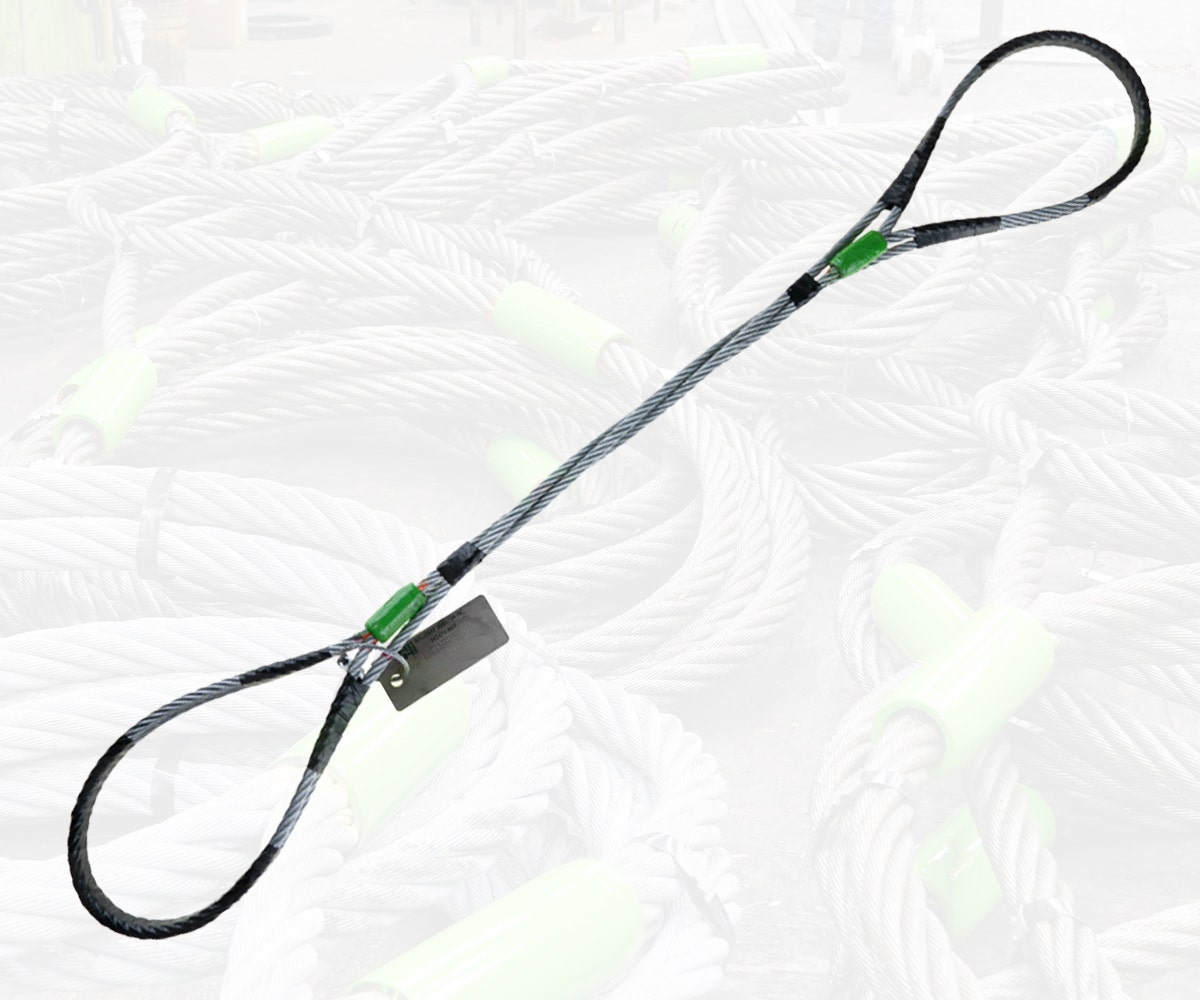
1. What Is a Wire Rope Sling?
A typical wire rope sling consists of a wire rope made from small individual steel wires twisted together. Both ends of the wire rope are looped together individually to form a sling. The wire rope is the fundamental component of a sling.
These slings come in a variety of sizes, shapes, and tensile strengths. The most common ones are those with an eye loop swaged on both ends of the sling.
Let’s take a look at the structure and mechanics of a wire rope in the next point.
2. Compreender a Anatomia de um Cabo de Aço
Um típico cabo de aço para trabalhos pesados possui múltiplos fios pequenos torcidos feitos de vários graus de aço. A configuração e o número desses fios mudam, dependendo da complexidade do padrão.
Normalmente, um cabo típico vem com centenas de fios externos cobrindo o fio central. Todos esses fios movem-se juntos e independentemente, proporcionando ao cabo de aço a força e flexibilidade necessárias. A mecânica desse movimento é bastante complexa.
A. Partes do Cabo de Aço
O cabo de aço típico consiste nos seguintes três componentes:
- Fios
Um fio é a menor parte de um cabo de aço. Pode usar diferentes tipos de metais, incluindo aço inoxidável, ferro, aço e bronze para fazer os fios. O grau do material usado para fazer o fio depende da resistência, resistência à abrasão e durabilidade necessárias para a aplicação pretendida.
- Cordões
Pode criar um cordão torcendo dois ou mais fios firmemente juntos num padrão preciso. Novamente, o padrão de tecelagem será determinado pela aplicação final do cabo.
- Alma
É feita de aço ou fibras naturais e, por vezes, fibras sintéticas. Os cordões envolvem a alma, que oferece suporte quando o cabo dobra ou é anexado à carga.
B. Padrões Comuns de Cordões
Como mencionado, os padrões dos cordões são críticos, pois determinam a força, durabilidade e resistência à abrasão do cabo. Geralmente, o cordão consiste no número de fios por camada, no número de camadas de fios e no tamanho (diâmetro) dos fios em cada camada.
Aqui estão os poucos padrões de cordões mais comumente usados.
- Single Layer
As the name suggests, this type of pattern consists of only one layer of wires around the core, all having the same size or diameter. There are usually six strands covering a core, totaling the number to seven.
- Filler Wires
It comprises two layers of wires wrapped around the core. The inner layer usually has six wires, while the outer layer has twelve with equal diameter. Six filler wires with a smaller diameter are used to fill the gap between the two layers of strands.
- Seale
Like the filler pattern, this one also has two layers of wires surrounding the core. However, wires in the inner layer have a smaller diameter compared to the ones in the outer layer. The outer wires rest in the troughs of inner smaller wires.
- Warrington
This pattern also consists of two layers of wires. However, only the inner layer has wires with a uniform diameter. The ones in the outer layer have two sets of wires, one with a bigger diameter and the other with a smaller one.
In the outer layer, the bigger wires rest in the troughs of the inner layer, while the smaller ones rest on the crests on the wires in the inner layer.
- Combination
In this type of wire rope structure, manufacturers use two or more of any of these patterns to build the rope.
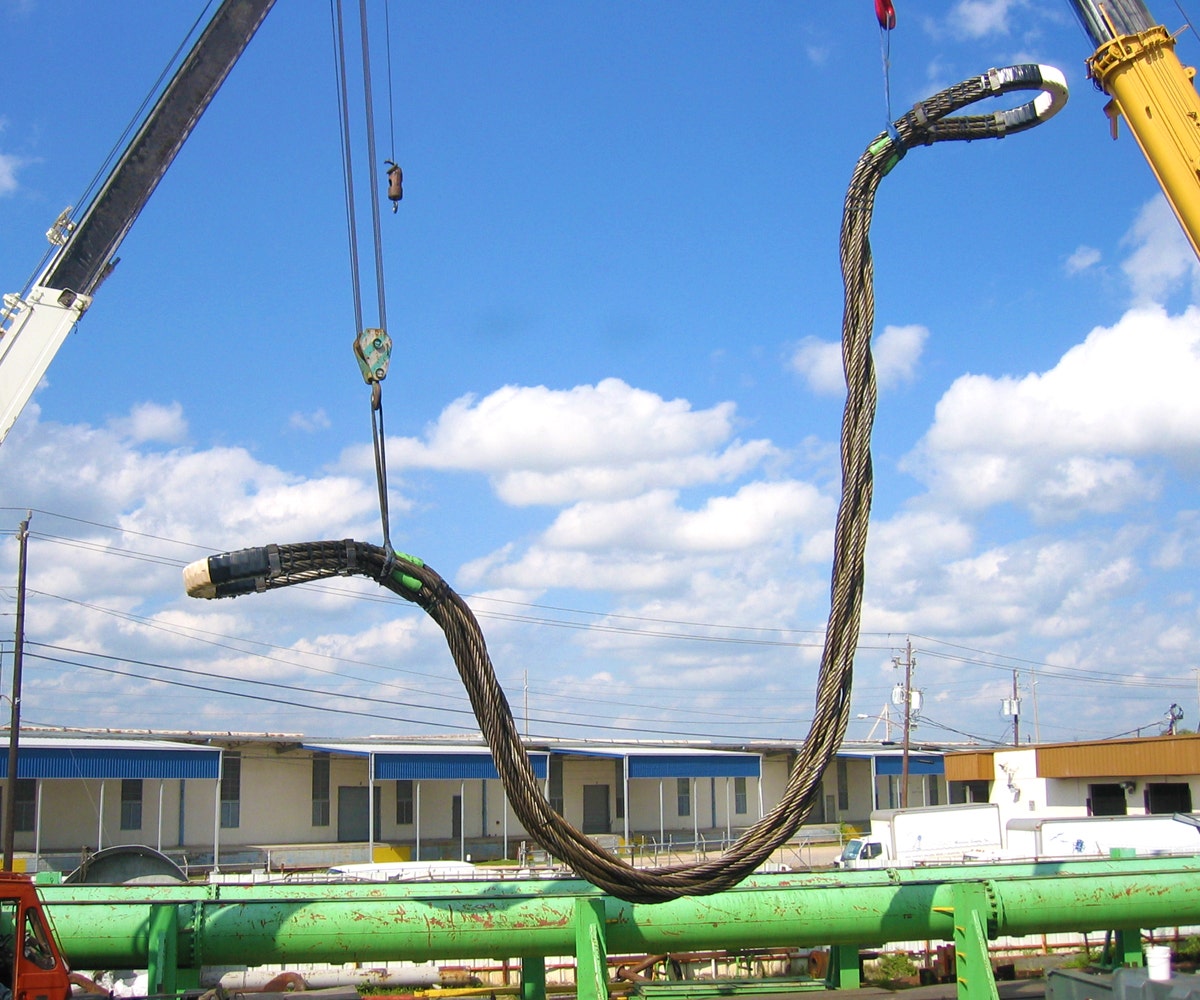
C. Common Layering Patterns
Layering is the next level of structure in a wire rope sling. It is different ways in which:
- You can lay the wires to create strands
- You can lay the strands to create the wire rope
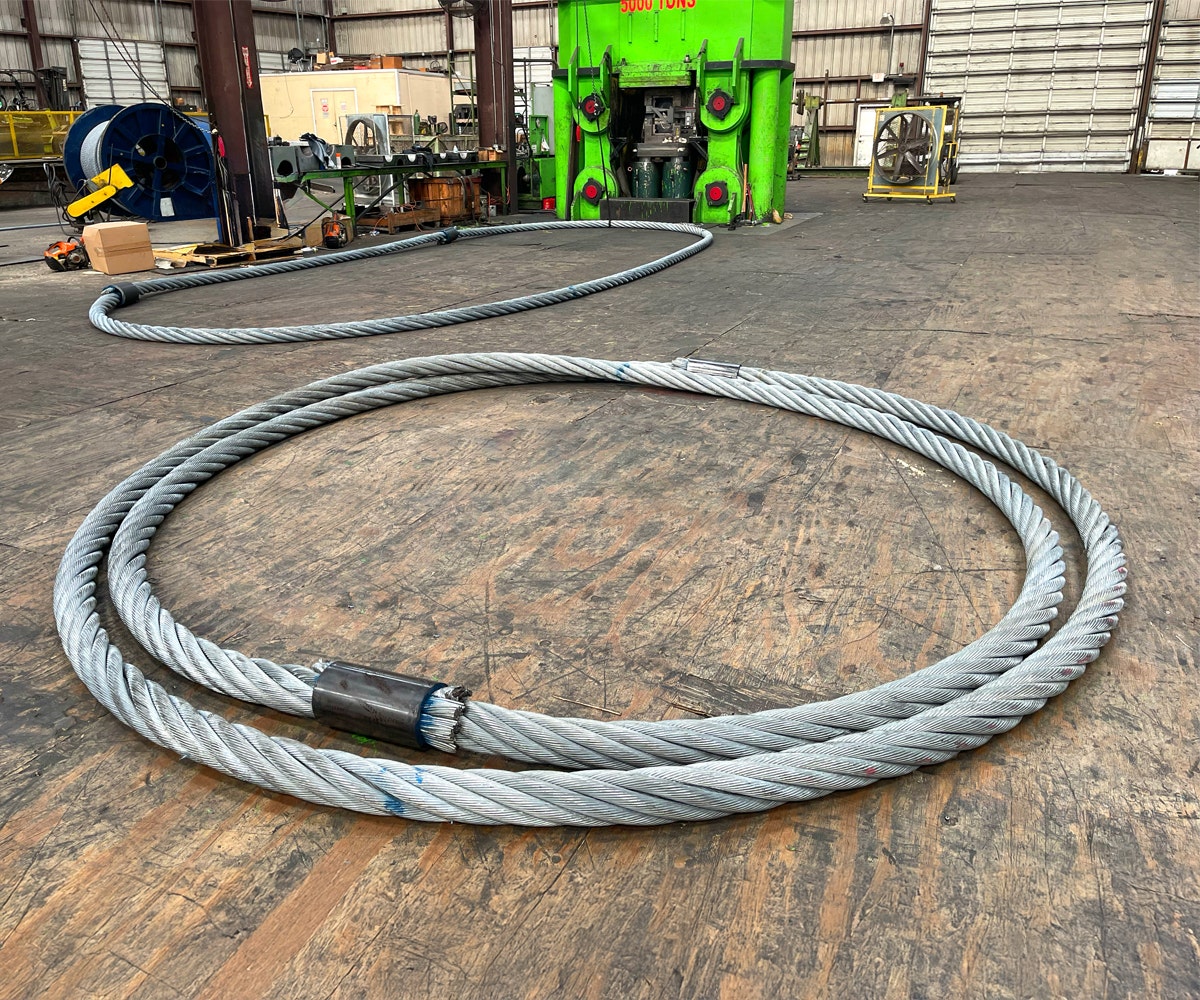
There are three common ways to lay down the wire ropes.
- Regular Layering
cURL Too many subrequests.
- cURL Too many subrequests.
cURL Too many subrequests.
- cURL Too many subrequests.
cURL Too many subrequests.
cURL Too many subrequests.
cURL Too many subrequests.
cURL Too many subrequests.
cURL Too many subrequests.
cURL Too many subrequests. Eslingas de Cabo de Aço cURL Too many subrequests. cURL Too many subrequests. cURL Too many subrequests.
cURL Too many subrequests.
cURL Too many subrequests.
cURL Too many subrequests.
cURL Too many subrequests.
cURL Too many subrequests. cURL Too many subrequests. cURL Too many subrequests.
D. Swaged Fittings
The rope gets inserted into the fitting bore, and it then gets swagged onto the rope. With this method, you can attach open and closed sockets, buttons, threaded studs, and load hooks directly to the rope. The process results in a high-efficiency bond.
E. Spelter Sockets
This is a type of socket that is attached to one or both ends of a wire rope to form a sling. The strength of these sockets is the actual rope strength.
Parting Words
As you can see, wire rope slings are a complex piece of lifting device, although they look simple. Hopefully, understanding their structure will help you know how they can offer the required strength, flexibility, and resistance to abrasion, crushing, and fatigue. It will also help you choose the right sling suitable for your application. Do tell us why and how you use these slings in your industry in the comments section.
Confie na Shenli Rigging para as suas soluções de elevação
De acordo com o guia oficial de inspeção de correias de elevação da OSHA, cada correia de corrente de duas pernas deve ser inspecionada quanto a desgaste, fissuras e alongamento antes de cada utilização para garantir a segurança do operador.
Conforme descrito em ASME B30.9, correias de corrente de duas pernas devem sempre operar dentro dos ângulos de carga recomendados para evitar sobrecarga e manter o equilíbrio.